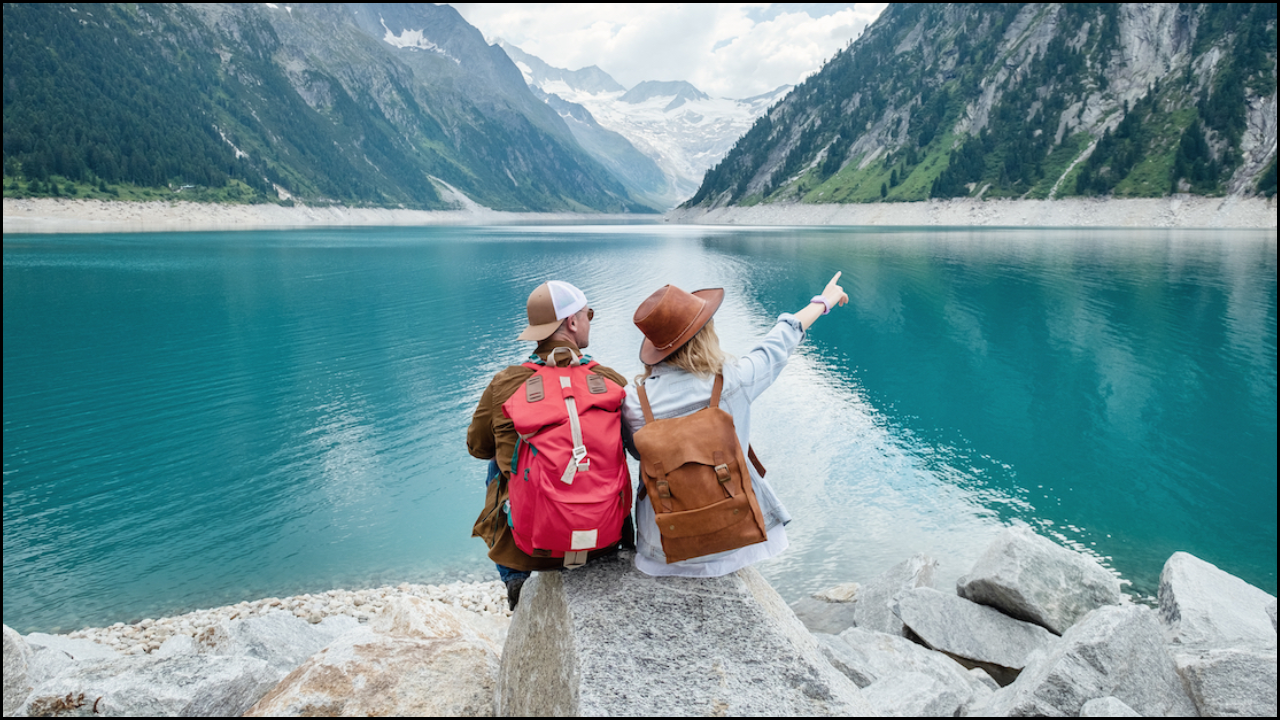
The global travel industry has experienced a profound transformation over the past few years. From shifting consumer expectations to technological advancements and sustainability concerns, tourism experts are closely analyzing how and why travel preferences are evolving. In 2026, these changes are more visible than ever, reshaping the way people plan, experience, and value travel.
This article explores key insights from tourism experts, highlighting the major trends influencing modern travel behavior and what they mean for the future of the industry.
Table of Contents
The Shift from Mass Tourism to Personalized Experiences
One of the most significant changes noted by experts is the growing demand for personalized travel experiences. Travelers are no longer satisfied with generic packages; instead, they seek trips tailored to their interests, preferences, and lifestyles.
Key Observations
- Customized itineraries are gaining popularity
- Travelers prefer unique, offbeat destinations
- Personal interests such as food, culture, and adventure influence decisions
This shift reflects a desire for meaningful and memorable travel experiences rather than standard sightseeing.
Rise of Experience-Driven Travel
Experts emphasize that modern travelers prioritize experiences over material possessions. Instead of focusing on luxury alone, people are seeking:
- Cultural immersion
- Local interactions
- Authentic experiences
Travelers want to “live like locals,” exploring traditions, cuisines, and lifestyles of the places they visit. This trend has significantly influenced tourism offerings worldwide.
Growing Importance of Sustainability
Sustainability has become a central theme in travel decisions. Tourism experts highlight that more travelers are considering the environmental and social impact of their trips.
Key Trends
- Preference for eco-friendly accommodations
- Increased interest in nature-based tourism
- Support for local communities and businesses
Sustainable tourism is no longer optional—it is becoming a standard expectation.
Digital Transformation in Travel Planning
Technology continues to play a crucial role in shaping travel preferences. Experts point out that digital tools have made travel planning more convenient and efficient.
Key Developments
- Online booking platforms and mobile apps
- Virtual tours and AI-based recommendations
- Real-time travel updates and reviews
Travelers now rely heavily on digital platforms to research destinations, compare options, and make informed decisions.
Preference for Flexible Travel Plans
The uncertainty experienced in recent years has made flexibility a top priority for travelers.
What Experts Say
- Travelers prefer refundable bookings
- Flexible travel dates are in demand
- Insurance and cancellation policies are more important
This shift reflects a need for security and adaptability in travel planning.
Rise of Wellness and Health-Focused Travel
Health and well-being have become key considerations in travel choices. Experts note a growing interest in wellness tourism.
Popular Trends
- Yoga retreats and meditation camps
- Spa and relaxation vacations
- Nature-based healing experiences
Travelers are increasingly using vacations as an opportunity to recharge both physically and mentally.
Increase in Domestic and Regional Travel
Tourism experts observe that domestic travel continues to grow, especially among budget-conscious travelers.
Reasons Behind This Trend
- Lower travel costs
- Convenience and accessibility
- Familiarity with destinations
Regional travel is also gaining popularity, offering shorter and more manageable trips.
Impact of Social Media on Travel Decisions
Social media platforms have become powerful influencers in shaping travel preferences.
Key Insights
- Travelers discover destinations through influencers
- Visual content inspires travel decisions
- Reviews and user-generated content build trust
Experts believe that social media will continue to play a major role in the tourism industry.
Demand for Safe and Hygienic Travel
Safety and hygiene have become top priorities for travelers.
Expert Observations
- Preference for clean and certified accommodations
- Increased awareness of health protocols
- Demand for contactless services
Travelers are now more cautious and selective about where they stay and travel.
Emergence of “Slow Travel”
Another important trend identified by experts is slow travel.
What is Slow Travel?
- Spending more time in fewer destinations
- Focusing on quality over quantity
- Reducing environmental impact
This approach allows travelers to connect more deeply with their surroundings.
Changing Demographics of Travelers
The profile of travelers is also evolving.
Key Changes
- Increase in solo travelers
- Rise of female travelers
- Growth in senior and digital nomad travel
Each group has unique preferences, influencing how travel services are designed.
Economic Factors Influencing Travel Choices
Economic conditions play a significant role in shaping travel behavior.
Expert Insights
- Budget-friendly options are in demand
- Travelers seek value for money
- Discounts and deals influence decisions
Cost remains a critical factor, even as preferences evolve.
Challenges for the Tourism Industry
While these changes create opportunities, they also present challenges:
- Adapting to rapidly changing preferences
- Maintaining sustainability standards
- Managing over-tourism in popular destinations
- Ensuring consistent quality and safety
Tourism businesses must innovate to stay relevant.
Future Outlook of Travel Preferences
Tourism experts believe that the future of travel will be shaped by:
- Technology-driven personalization
- Sustainable and responsible tourism practices
- Increased focus on health and well-being
- Greater demand for authentic experiences
The industry is expected to become more dynamic and customer-centric.
Tips for Travelers Based on Expert Insights
To make the most of modern travel trends:
- Plan trips based on your interests
- Choose sustainable options
- Stay flexible with your plans
- Use digital tools for research
- Prioritize health and safety
Following these tips can enhance your travel experience.
Conclusion
The insights shared by tourism experts clearly show that travel preferences are undergoing a significant transformation. Today’s travelers are more informed, conscious, and experience-driven than ever before. From sustainability and wellness to personalization and digital convenience, these trends are redefining the travel landscape.
As we move further into 2026, the tourism industry must continue to adapt to these evolving preferences. At the same time, travelers have the opportunity to make more meaningful, responsible, and enriching travel choices.
Ultimately, the future of travel lies in creating experiences that are not only enjoyable but also sustainable and impactful for both travelers and the destinations they explore.