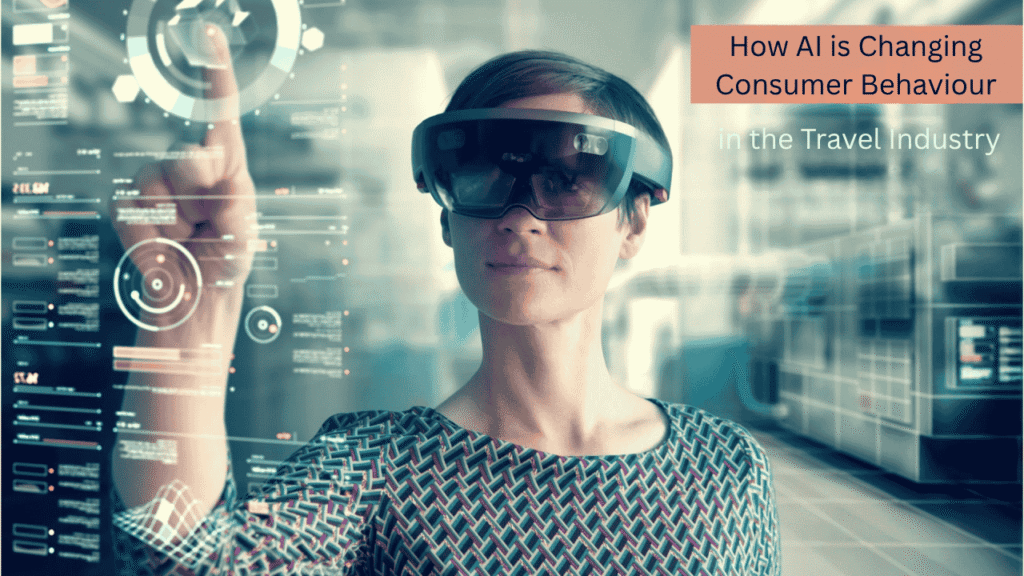
Artificial Intelligence (AI) is rapidly transforming the travel industry, reshaping not only how businesses operate but also how consumers plan, book, and experience their journeys. From personalized recommendations to real-time assistance, AI is influencing traveler behavior in profound ways. Today’s travelers are more informed, selective, and experience-driven than ever before—largely due to the integration of intelligent technologies.
Table of Contents
The Rise of Personalized Travel Experiences
One of the most significant ways AI is influencing consumer behavior is through personalization. Modern travelers expect tailored experiences that match their preferences, interests, and budgets.
AI-powered systems analyze user data such as past bookings, search history, and even social media activity to recommend destinations, accommodations, and activities. Instead of browsing countless options, consumers are presented with curated suggestions that align with their tastes.
This shift has made travelers more decisive and confident in their choices, as they feel understood and catered to on an individual level.
Smarter Decision-Making with Data Insights
AI has empowered consumers with access to vast amounts of data, helping them make more informed travel decisions. Price prediction tools, for example, allow travelers to determine the best time to book flights or hotels.
Additionally, AI-driven review analysis tools summarize thousands of customer reviews into key insights, enabling users to quickly assess the quality of a service.
As a result, consumers are no longer relying solely on brand reputation or advertisements. Instead, they depend on data-backed insights, making them more analytical and value-conscious.
The Influence of Chatbots and Virtual Assistants
Customer service in the travel industry has been revolutionized by AI-powered chatbots and virtual assistants. These tools provide instant responses to queries, assist with bookings, and offer travel updates around the clock.
For consumers, this means convenience and efficiency. They no longer need to wait for human support, which has led to higher expectations for speed and accessibility.
This shift has made travelers more independent, as they can manage their plans without relying heavily on travel agents or customer service representatives.
Enhanced Trip Planning and Automation
AI has simplified the travel planning process by automating complex tasks. From creating detailed itineraries to suggesting optimal routes, AI tools help travelers save time and effort.
Consumers can now plan entire trips within minutes, with AI handling everything from transportation to accommodation and activity scheduling. This convenience has changed behavior significantly—people are more likely to travel frequently because the planning process is no longer overwhelming.
Automation has also reduced the stress associated with travel, making the experience more enjoyable from the start.
Real-Time Assistance and Predictive Services
AI is enabling real-time support throughout the travel journey. From flight updates and weather alerts to navigation assistance, travelers now receive instant information that helps them adapt to changing situations.
Predictive analytics further enhance this experience by anticipating potential issues. For example, AI can suggest alternative routes during delays or recommend activities based on weather conditions.
This level of support has made travelers more confident and flexible, as they know they can rely on technology to guide them through uncertainties.
The Shift Toward Experience-Driven Travel
AI is also influencing the type of experiences consumers seek. By analyzing trends and user preferences, AI platforms highlight unique and personalized experiences rather than generic tourist activities.
Travelers are now more inclined toward:
- Local and cultural experiences
- Personalized tours
- Off-the-beaten-path destinations
This shift reflects a growing desire for authenticity and meaningful engagement, moving away from traditional, one-size-fits-all travel packages.
The Role of AI in Building Trust
Trust plays a crucial role in consumer behavior, and AI is helping build it in several ways. Transparent pricing, fraud detection, and secure payment systems enhance consumer confidence.
AI also reduces uncertainty by providing accurate recommendations and reliable information. When travelers feel confident in their choices, they are more likely to complete bookings and explore new options.
This trust has encouraged consumers to rely more on digital platforms for their travel needs.
Changing Expectations in the Travel Industry
As AI continues to evolve, it is raising consumer expectations. Travelers now expect:
- Instant responses and support
- Highly personalized experiences
- Seamless booking processes
- Real-time updates and assistance
Businesses that fail to meet these expectations risk losing customers to competitors who leverage AI effectively.
Challenges and Ethical Considerations
While AI offers numerous benefits, it also raises concerns. Data privacy is a major issue, as personalization relies heavily on collecting and analyzing user information.
Additionally, over-reliance on AI may reduce human interaction, which some travelers still value. Striking a balance between automation and human touch is essential for maintaining customer satisfaction.
Tourism experts emphasize the importance of ethical AI practices, ensuring transparency and protecting user data.
Conclusion
AI is fundamentally transforming consumer behavior in the travel industry. From personalized recommendations to real-time assistance, it has made travel more accessible, efficient, and enjoyable.
Today’s travelers are more informed, independent, and experience-focused, driven by the capabilities of intelligent technology. As AI continues to advance, its influence on travel behavior will only grow stronger.
For the travel industry, the challenge lies in leveraging AI to enhance experiences while maintaining trust and human connection. For consumers, it opens up a world of possibilities—making travel not just easier, but smarter and more meaningful.