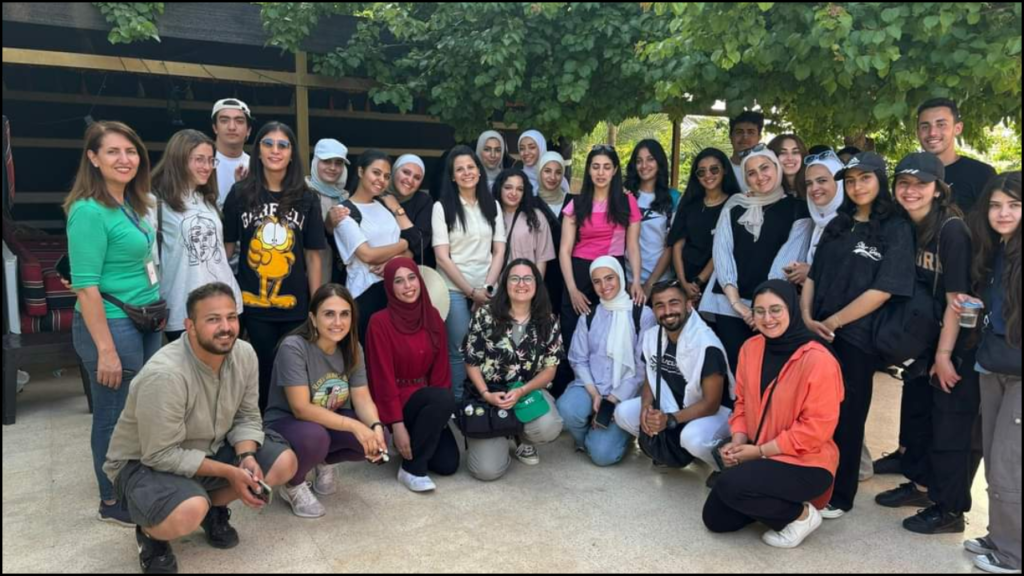
The Consumer Behaviour in Tourism Symposium (CBTS) significantly influences policy-making and sustainable tourism practices by providing evidence-based research on traveller behaviour, market trends, and destination dynamics. Policymakers, destination managers, and tourism planners leverage insights shared at CBTS to make informed decisions that balance economic growth with environmental and social sustainability. By highlighting how tourists respond to policies, experiences, and sustainability initiatives, the symposium helps guide effective, data-driven strategies.
CBTS emphasises the translation of academic research into actionable recommendations for policymakers. This connection ensures that tourism strategies reflect both consumer expectations and sustainability goals, enabling destinations to implement responsible and impactful tourism development plans.
Table of Contents
Overview: CBTS Research and Policy Impact
| Aspect | Details |
|---|---|
| Focus | Evidence-based insights guiding tourism policy and sustainable practices |
| Target Audience | Policymakers, destination managers, tourism boards, researchers |
| Core Benefits | Data-driven decision-making, sustainable tourism planning, stakeholder alignment |
| Key Research Areas | Consumer behaviour, travel trends, sustainability adoption, cultural engagement |
| Policy Applications | Regulation design, incentive programs, tourism development strategies |
| Sustainable Practices | Eco-friendly operations, ethical tourism initiatives, and community-based tourism |
| Global Perspective | Cross-cultural insights informing international policy frameworks |
| Long-Term Impact | Balanced tourism growth, enhanced destination competitiveness, responsible travel |
This table highlights how CBTS research informs sustainable and policy-oriented decisions in the tourism sector.
Consumer Behaviour Insights
- CBTS research provides a detailed analysis of traveller motivations, preferences, and decision-making patterns.
- Understanding consumer responses to regulations, environmental initiatives, and destination policies helps policymakers design strategies that are both effective and aligned with visitor expectations.
By integrating consumer psychology into policy planning, tourism authorities can create programs that encourage responsible behaviour while enhancing tourist satisfaction.
Sustainability Practices
- The symposium emphasises sustainable tourism, examining how travellers perceive eco-friendly initiatives, community involvement, and ethical practices.
- Research outcomes help destinations implement sustainability measures such as waste reduction, energy efficiency, and conservation programs, ensuring long-term environmental and social benefits.
These insights support responsible tourism planning, balancing economic development with ecological and cultural preservation.
Policy Development Guidance
- CBTS informs the creation of regulations and incentive programs that align with traveller behaviour and destination goals.
- Examples include managing tourist flows, encouraging off-peak travel, promoting eco-certifications, and designing policies that foster cultural respect and environmental awareness.
Evidence-based recommendations help policymakers implement strategies that are both practical and effective.
Cross-Cultural Considerations
- CBTS research highlights differences in travel behaviour across cultures, guiding international policy development.
- Understanding regional variations in consumer preferences, risk perception, and sustainability attitudes enables policymakers to design tailored interventions for diverse markets.
Culturally informed policies enhance visitor experience while promoting responsible travel practices globally.
Digital and Technological Influence
- CBTS examines how digital tools, mobile apps, and social media shape tourist behaviour, informing policy decisions related to information dissemination and engagement.
- Policymakers can leverage these insights to improve communication about regulations, promote sustainable choices, and facilitate adherence to guidelines.
Digital strategies derived from research findings ensure more efficient and effective policy implementation.
Community and Stakeholder Engagement
- The symposium emphasises collaboration with local communities and tourism stakeholders to align policy with social and economic needs.
- Research shows that involving communities in planning and sustainability initiatives increases buy-in, compliance, and long-term success.
CBTS insights help ensure that policies support equitable tourism growth while protecting local cultures and environments.
Closing Perspectives
CBTS research plays a vital role in shaping tourism policy and promoting sustainable practices. By analysing consumer behaviour, cultural influences, digital trends, and sustainability adoption, the symposium provides actionable recommendations for policymakers, destination managers, and tourism planners. Insights from CBTS guide regulations, incentive programs, and community-based initiatives that balance economic growth with environmental and social responsibility. Through its evidence-based approach, CBTS ensures that tourism development is informed, effective, and aligned with global sustainability standards.